Summer solstice: how rituals using flowers can gift us with their healing and cherishing power.

We carry in our hearts so much. Our ancestors probably were not as much aware as we are of our emotions. 

But surely, they knew and practiced, unconsciously, strategies and rituals to process them.

And move on towards the next cycle.

I visited the Majella national park this last June, in the Abruzzo region, Italy.

It recently became Unesco heritage, and I could understand why the moment I started driving uphill along its hairpin turns.

Spring had reached its peak, everything was blossoming.

Nature expressing its highest form of beauty. 

I was so lucky to visit while Aromatica exhibition was just started open, and again so lucky to be let sneak in during a closure day. After also being allowed to stroll in the Daniela Brescia botanic gardens

Me and my daughter had the luxury of visiting, alone, mostly bare feet this gem of natural beauty and biodiversity, on a sunny day, spots of snow still on the crest of the Monte Amaro as a background, a luminous morning sky as background.

Paths along water streams, bright green ponds, learning names, stories, smell, texture and use of local trees, herbs and flowers. Following the flight of dragonflies and slowing down, cuddled, by the crashing sound of the water falls.

Beauty can be so overwhelming.

Easy to fall into the mistake of having to catch it, with a picture, or wanting to hold on to it, as it could last. As if we could prolong it.  

Something at the Aromatherapy exhibition really stayed with me and the inspiration connected me with my ancestor rituals. 

This is the St John water ceremony. 

At Aromatica they exposed the traditional flowers recipe used in Abruzzo to make the St John’s water:
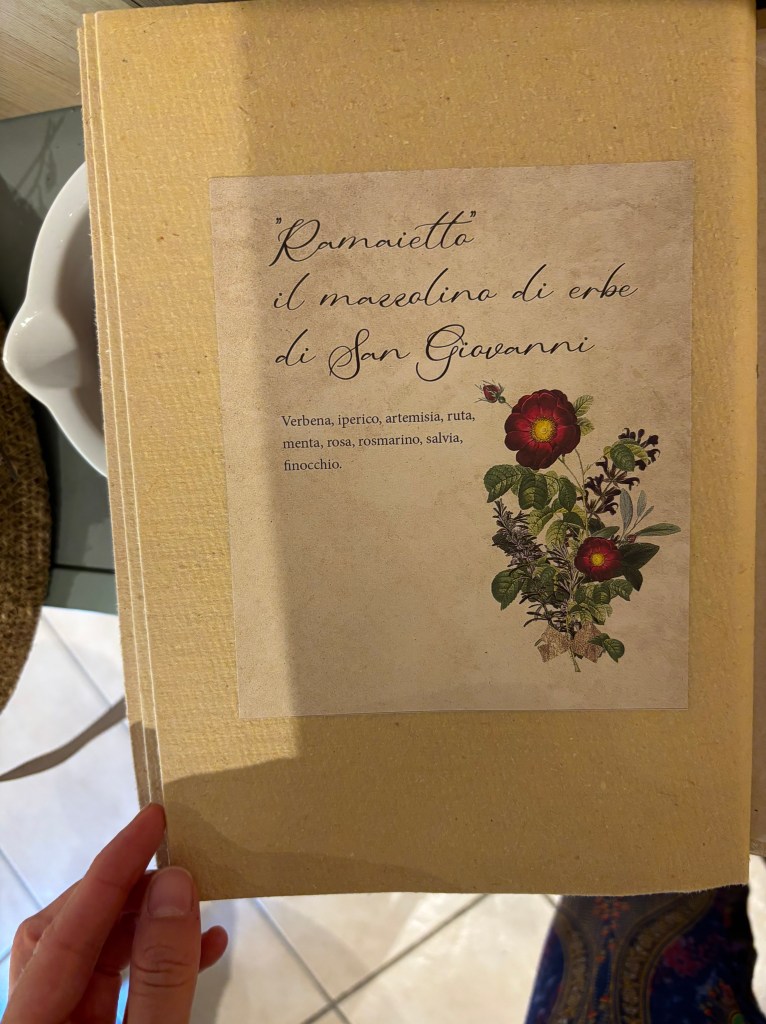
The recipe includes: 

Verbena 

Hypericum (St. John’s wort)

Artemisia (Mugwort) 

Ruta (Ave grace) 

Mint

Rose

Rosemary

Sage

Fennel

When I came back to London, I felt the call to give present life to this old knowledge that belonges to my childhood memories. 

The softness of the roses petals, their comforting scent, the bunch of golden broom stems on my aunt’s arms.

I called my mum and asked: what do we put in St. Jhones water? 

– Everything! Any flower you find, but has to smell nice. Obviously roses –

My mother’s advice turned up a bit generic, even though meaningful for me. 

It meant to me go out and watch and follow your instinct and, let your ancestors knowledge to talk to you and to guide you towards the right petals and leaves. 

So I did.

My version of St. John’s Water ritual

The ritual starts with walking, usually around sunset time, when the light becomes softer, and the air cooler.

Sounds and smells of fields and woods intensify exhaling the heat accumulated during the day. 

Then the flowers picking. 

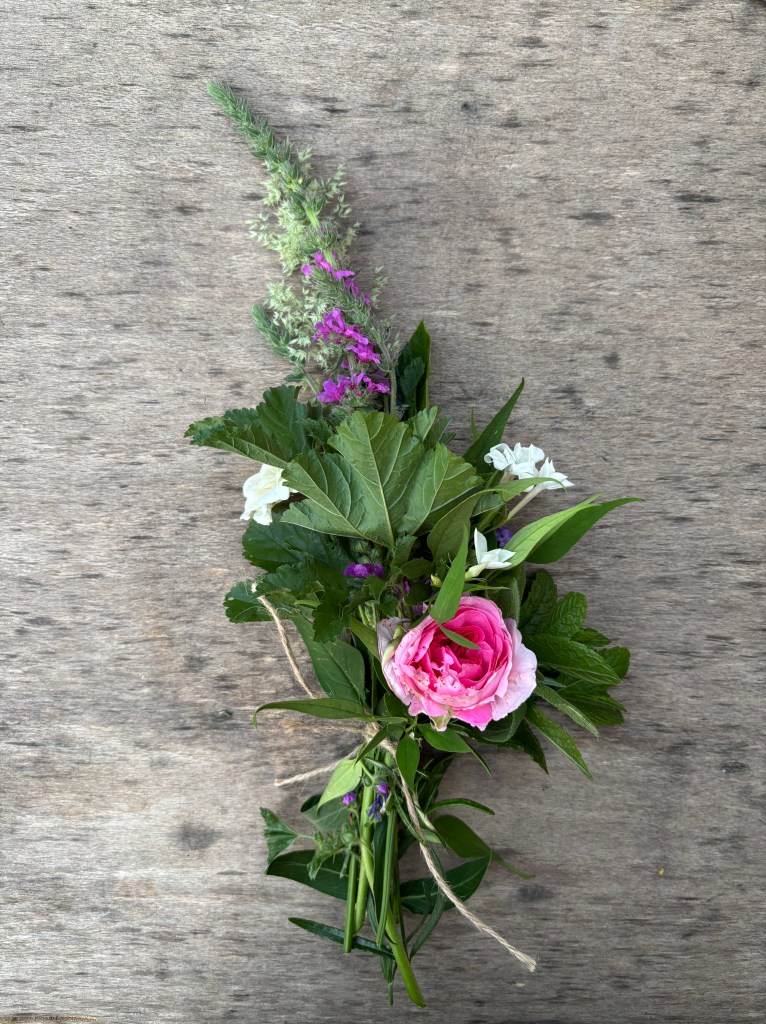
Roses and lavender were going to be on my list, very easy to find and at the peak of its bloom now.

Rose is the protagonist of this ritual. 

Its essential oil property it contains the essence of the ritual itself: applying roses on own skin means cherishing it. Acknowledging its beauty, celebrating it. 

It is also the oil of self-acceptance. Not as giving up.

Acceptance as embracing, staying with it.  

I spotted some verbena but it didn’t smell right and I was not sure about the leaves shape, so I did not risk it. 

Instead a bright purple inflorescence, tall stems, growing mainly along the pond benches catched my attention. I touched it, smelled it.

It felt right so it came into the bunch. 

Mallow flowers, being careful to avoid the ones easily pissed by dogs. My daughter loved picking the large, intense purple flowers. Such a beauty. 

Famous and easy available anti-inflammatory herb. 

I did not find Hypericum, best know as St. John’s Worth, but only because I didn’t recognise its features, I soon found out London’s fields and parks are abundant of it. 

Lavender. I felt a bit bad stealing it from a neighbour’s bush and from the bees. But I only needed a few stems. 

Calming, anti-inflammatory, anti-septic. Purifying and refreshing in its deeper meaning. 

The picking walk ended nearly at sunset, in my garden where I completed the bunch with herbs.

Rosemary, a balm for the mood, the muscles. Mental tone and strength

Mint, sweetness, pungent, presence, balsamic and refreshing. 

Sage, anti-inflammatory, gentle, soothing. 

The ritual continues with going back home, finding a nice bowl of clean fresh water and one by one, picking petals and leaves. 

Smelling the scents they liberate while doing this. 

Letting them fall in the water in an instinctual order. 

The patterns and the scents they will create it will be an instant of joy, calm and presence.
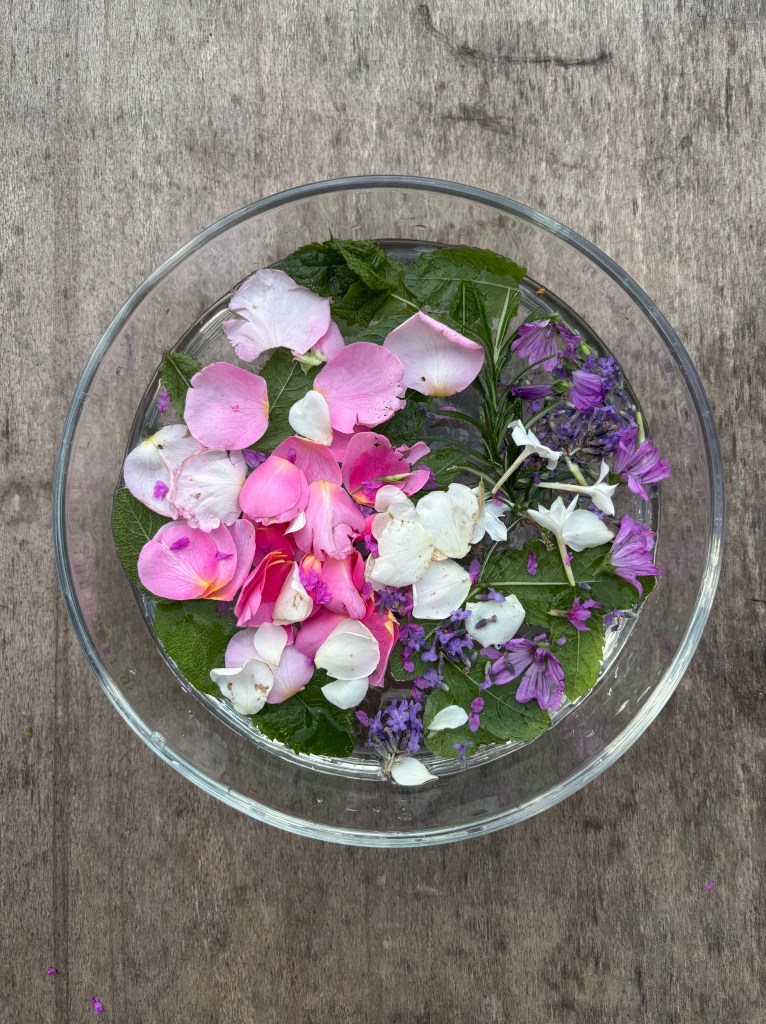
The night breeze and the moon light will do the rest. It will sit on a table outside, better if covered with a cotton cloth to keep away curious foxes and insects. 

Water will infuse all the essences. 

Next morning, the collection. 

The infused water will be used to wash the just woken up body. With a small jug the water will be collected little by little and gently let trickle and wet the all body crown to feet. 

Celebrating our body, taking time to do it.

The meaning of purification.

While we wash our body with St. John’s water, intentions might come up within us. 

We might find our own deeper meaning of something we are going through in that particular stage of our life. 

The images, the thoughts, the meanings we will link to it, it will be a personal and deeply healing experience. As long as we do it with grace, presence, intention. 

We might see, during the process, something that was sitting deep in our heat, and pour our flower infused water on it. 

Not to erase it or to clear it.

But to acknowledge it, to cherish it.  

 Art visual reflection

Often, when I need to connect with my inner true self and find meaning. When I need to give space to myself, I vist Tate

I find wideness, breath within its large spaces, views and rooms.

A space where body and thoughts find decompression.

Expansion.

A space where exchange of inspiring ideas, images and people take place in every corridor, elevator, exposition wall.

Last time I went, this opera from Joydeb Roaja at the Gathering Ground exhibition grabbed my attention.

It talked to me about the gathering with our inner knowledge, to find meaning through connection with nature, its cycles, its elements and features. Its beauty. 

In this picture a old woman, 

“La que sabes” citing Pinkola Estes. 

She is donating a flower to the young one. A flower with no roots, petals on both sides of the stem. 

I found this gesture absolutely refreshing, purifying, cherishing. 

The old woman has an expression that calls serene presence. She is not just rooted to the earth but she is also expanding towards the sky through branches growing prosperously from her head.

She looks at the young girl suggesting a gaze that wants to say:

I see you, you are seen, you are okay.

Here, take this flower.

This is for you. 

The young woman doesn’t have a fully formed head.

Her head is a rough cast, an embrio of a fully formed head. This recalled to me to the ever evoluting and immature innerself.

It is the gathering of two pillars of our inner self:

The wise, the ancestors knowledge owner, here and everywere, grounded and uplifted, all the elements of nature connected to it, and in continue conversation with it.

The immature, the fresh and tender one, ever learning, evoluting and shaping. The one capable to feel strong emotions, often at the mercy of them.

Both sitting side by side, in a moment of gathering and coonection where a simple gesture of donating a flower holds deep meanings of acknowledgment, acceptance and cherishing.

Closing tips

St. John’s ritual is traditionally done on the 24th of June but you can do it on another date that feels right to you and fits your commitments.

Make time for this: organize an evening walk were dinner and sleeping routine can wait to make time for the flowers picking and the water preparation without feeling rushed.

Avoid using flowers that you don’t know or your are not sure of the properties and the origin. Flowers, herbs and plants can be dangerously toxic. Always check carefully the all plant features: shape and colour of leaves, stems and leaves.

Avoid picking it from road sides or polluted places. They should be clean enough to not need to be washed before soaking but it is okay to wash it if you feel they need to.

Be explorative and courious. Avoid searching for the effect of the ritual, insted enjoy the process of doing it and observe whatever happens while going through it.

Connect to heal. When connection, sharing and creation of communities can foster healing.

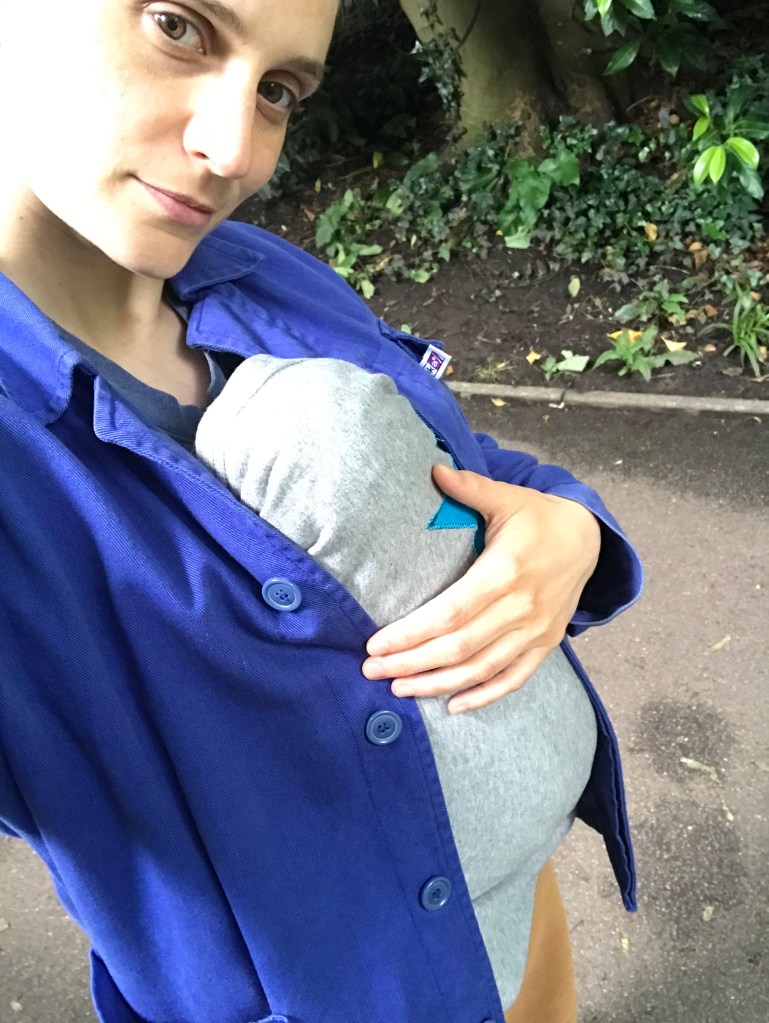
It is time to wrap up this end of September and dig into my soon coming Autumn holiday. I am thinking this while a walk slowly towards the Sun, my steps are cushioned by the wet shiny grass of the recreation ground field. The ground is soaked in water, I can smell it and feel its coldness under my soles. I let the sunset sunshine to penetrate my skin, warming my face, my expression becoming serene. Claudia is now snoring inside her sling. I feel grateful. 

As I walk, the tips of the strings come together and all I learnt during this transitional month of September is coming to one piece.

Practicing sharing as form of connection

One of my evening treats is to lie on the couch, legs on the chair, pillows to support my back, elbows, knees… all the bends of my body resting on pillows. A warm cup of something, usually barley tea, steaming on the arm of the couch. Lights dimmed, leaving the small living/kitchen room peacefully silent, hugged in a warm soft light which calls the time to rest the body, to quiet the mind. Going through the pages of my favourite journal Breathe, I bumped into an article which perfectly matched the main theme of my reflections during this transition to the new season. The article was talking about the importance of finding the courage to share own creative pieces of art, particularly referring to writing and mentioning stories of “regular” people (intended as non-professional writers) which have been silently and secretly nurturing their talent without sharing it with anyone until their boxes of manuscripts were found by someone, put together in one book to eventually became a world class best seller. What I found very meaningful about this article, it is how it highlights the importance and the benefits of sharing to establish a form of connection and not to obtain an audience. Emotions that we put into words, paintings, verses, sculptures and so on, resonate in people that access our piece of art. People may recognize something that talks about themselves in what we have shared, and this creates a sense of connection, a feeling part of something that makes us similar. This feeling of belonging to something in common can be inspiring for others, which might take example from our experience. The article was also mentioning how the resistance to share own art can be linked to a block of our third chakra: Manipura. The third chakra is located just below our ribs, in coincidence of our stomach, just below our sternum bone. It is the chakra of productivity; it is connected with the element fire and, when active it makes us capable to activate our creative process. When Manipura chakra is blocked, we find difficult to activate our creative power. We can visualize our chakra as a wheel that has to run steadily as a mill. Imagine our energy to be the water that flows into the blades making the wheel running. As the wheel spins it makes the mill working and so the flour coming out from the grain. Similarly, when Manipur chakra is healthily active, it creates a leading outward energy that allows the transformation of our ideas into action. This way we become capable to allow our creative power to concretize and to release it into the world. When Manipura chakra is blocked, we might feel resistance to share. We put our breaks on, scared of other’s judgement and suspicious about people’s opinion or advice about our creative work. When Manipura is flowing, we feel trustful about our creative power and not scared to share it with others, instead we perceive the connection generated by doing so. 

We can work on solar plexus blocks by stimulating this area with yoga asanas that make the solar plexus strong and flexible. The sun salutation it is a dynamic sequence which as a warming and energizing effect. It involves alternation of bends forward and backward of the upper back which are stimulating and strengthening. The repetition of three sun salutation can be a good idea to be included in our morning routine for its activating and awakening effects. 

A wood is a community: connection between roots

I like listening to radio. What I like about it is the “here and now” nature of the radio programmes. Despite it is now possible to re-listen podcasts of a missed favourite programme at any time of the day, I find that it lessens the beauty of listening to a comment or a news that belongs to that time and date. It is a “moment in time”, citing my beloved friend and colleagues when she wanted to encourage me about labour preparation. This peace of interview that was made by Linus at Radio Deejay resonated perfectly with a blissful moment that I shared with my dad, when he came to visit us last month. We were walking at Hide Park after our visit to the monumental Natural History Museum. Claudia was asleep with her dad and my mum was way too tired and way too full of jamon serrano and ice-cream to walk, so we treated ourselves with a dad and daughter walk through the park. At some point, as we wanted to reach the Serpentine Lake as quick as possible, to avoid staying away for too long in case Claudia would have needed a feed, we cut the pathway so we left from the road and cut through the trees. As we walked on the soft high grass, stepping on the first crackly leaves that talked about an already started Autumn, I could sense the life that was going underneath. I said to my father: – can you believe? All these giant trees are connected underneath, they all touch each other through the roots. They form like a web through which they communicate between each other-. And I continued my spoken loud thoughts: – What you can see over the ground it is completely different from what is happening under the ground: they look far, they look like they can’t touch, but they do, in a way that our eyes can’t see but our hearts can sense-. 

Autumn walks are something delightful, especially when made with open eyes, shut phones and open hearts. Hearts become capable to reach and touch each other as the roots of the trees, and that’s how they heal. 

During the interview above mentioned, the botanist Stefano Mancuso was describing how trees that we see standing apart when we walk through a wood are actually closely connected through their roots and form a community where they are strictly interrelated. Trees exchange nutrients and information through their roots and create a community that keeps the wood an alive and evolving organism. I found inspiring and good food for reflection the answer that Mancuso gave to the question: what can we learn from trees? The answer was as such: – Plants are beings that create communities, always-. He sustains the theory that plants have learnt, a lot earlier than humans, a way of living and thriving as part of communities where everyone shares what has to share according to its own possibilities. It is fascinating to observe how plants can sustain another plant that is sick or dying. Trees are capable to keep alive a tree that has been cut which will continue to receive nutrients and stay alive, until the wood organism will require it to do so. In this sense, plants know. They have an intelligence that allows them to share following the rules of life. They are not stopped by fear of judgement. 

Hide Park, London.

My experience of setting up an art group to heal the fear of giving birth   

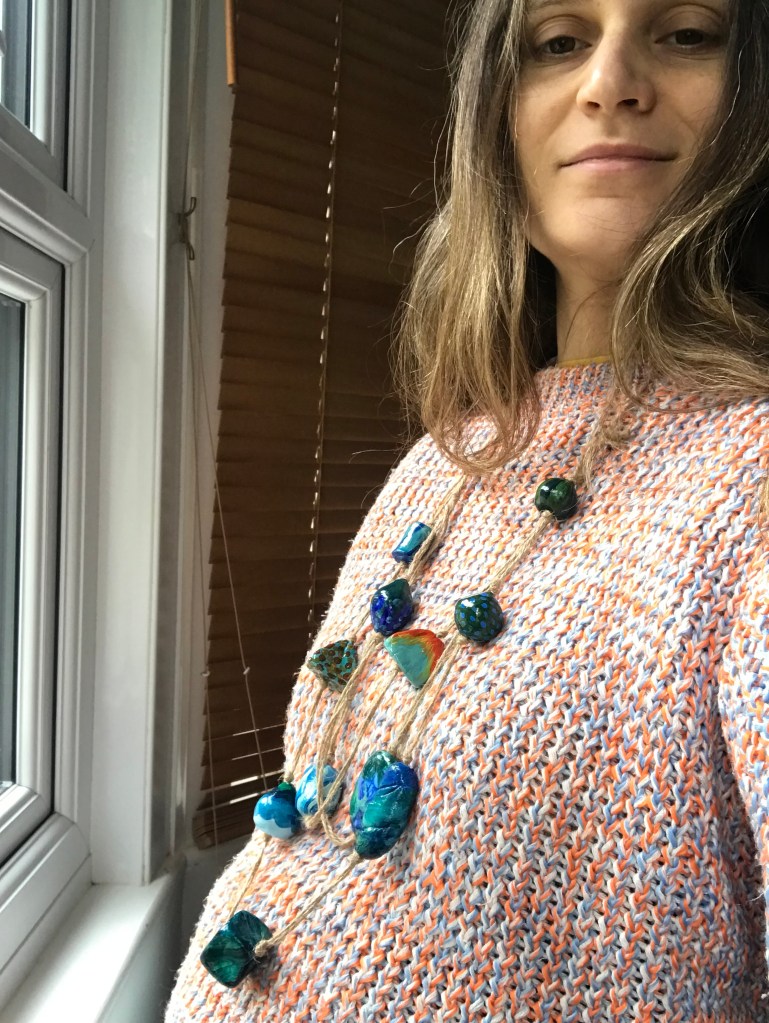
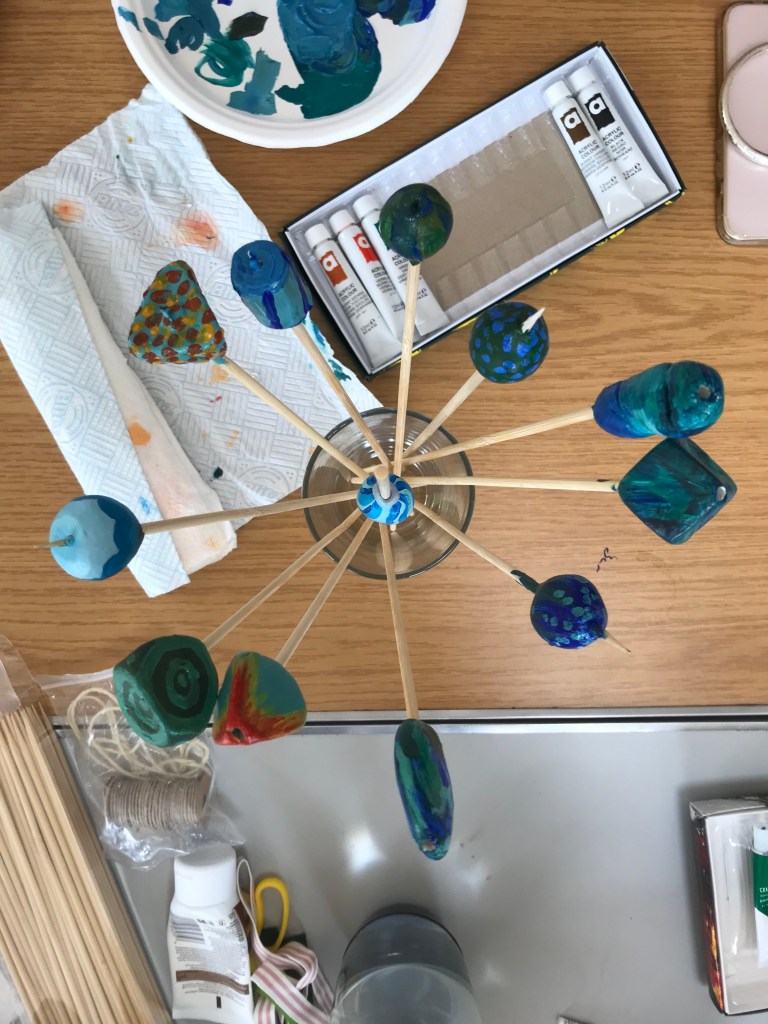
When the time came time for me to prepare for my birth, I was looking for a way to celebrate the soon ending pregnancy and the soon coming motherhood. I wanted to celebrate this “liminal” phase, I needed to process the passage from my social role of midwife, friend, woman, daughter, into the new role of mother of my child. I started searching how I could do it in a way that made sense for me, which means that the classic balloons, ribbons and cakes baby shower wasn’t for me. I needed a rite of passage to share with my friends and colleagues the hugeness of what was happening. I needed to express the creative power that I was feeling inside me. At the same time, I needed support and empathy to be able to give voice to my fears around giving birth. I wanted to listen to others experiences to be inspired and reassured. I needed to celebrate my birth on all levels: emotional, physical, spiritual, social. So, I researched until I found something that felt right: I would have involved my crew of women in the crafting of a necklace where every one of us would create a bead. I equipped myself with self-drying clay, colours and brushes then I took time and space to sit myself under the first warm suns of April and started to make beads of different shapes. I let the hands working alongside the flow of my thoughts, avoiding overthinking which shape I was making. Twelve beads came out, I put them to dry on a piece of paper and meanwhile, I found a nice place to hire and gathered my life and pregnancy buddies, the ones that I knew would have come with open hearts and positive mindset. The result was unexpected and incredible. I opened the rite of passage with a physical warm up, we walked through the room, we stretched, we took hands, smelled a woody incense, listened to music, gathered in a circle and connected with the elements. We put some tables together and sat around it.

The beads just painted.

As we were painting our buds, each one of us in turn shared a birth story, or any story that would have involved giving birth or being birthed. They were laughs, tears, gazes of empathy. There was deep sharing of experiences and thoughts. At the end we shared food, and ended the gathering with pictures and greetings and good luck wishes. I went home with a beautiful set of buds that my friends painted for me and with me. I felt extremely grateful of this gift, I felt privileged of getting to keep some of their art with me, symbol of the experience they shared, as they translated it in a shape, colours and matter. I put them together in a necklace and wore it, and as I did, I felt a warrior, I felt strong and protected. I stored the stories shared as treasures in my memory and those words, gazes and smiles all came in help during my labour and they translated in encouragement. I knew I wasn’t alone, I was part of that circle, I was one of those women, my community, so I could do it. 

Me at 39 weeks of pregnancy wearing our hand crafted necklace.

Safe Sleep and Comfort Strategies for Newborns: A Mother’s Insight

When I was pregnant with Claudia, I started looking for a second-hand bedside cot. Since when I was a student midwife and I was wondering through the pages of the Leboyer masterpiece “Birth without violence”, I started to embrace the idea of the importance to give the baby a chance to find a personal space and comfort, of course after and besides the vital skin to skin moment. I was fascinated by the interpretation that Leboyer gives about baby’s adaptation to extrauterine space where the newborn, after having experienced and enjoyed the softness and concavity of the maternal abdomen learns to stretch and unfold its back on the flat surface of the mattress, gradually learning the air element and learning to find a new way to perceive and move their body in the space. 

I liked the concept that baby is, from birth, entitled to their comfort zone and space away from the warmth and comfort of the parents’ body but close enough to hear and smell them, enough to feel safe and heard when needed. 

So, I got my white wood and fresh cotton second hand bedside cot from a lovely local family and I proudly got it home, assembled and then, few weeks before Claudia was born, disassembled again and washed top to toe, ready for the brand-new organic material mattress to be taken out of the plastic and laid on it, ready to receive my little cub.  

When Claudia was born, she was 2,960 kg. Since the very first breath she has been an alert and active little baby girl and she remained so throughout. Her body never felt floppy (apart from the heaven like deep snooze moments), instead, she would have a strong muscle tone, a very pronounced Moro reflex, and a wide range of movements including the capability to hold her head from the beginning of her life in this Heart. This meant that, when I was trying to lye her on the cot during the first 1-2 weeks, she would react as If she was a turtle lied upside down on the ground: she would retract her limbs and start rolling sideways, opening her blue-grey eyes a second after and staring at me with disappointment. 

Obviously that space was too wide for her to start with, and that surface too cold, too hard, too flat to accommodate her curved little spine. 

So here a fortunate charity shop deal came to play on our side: one of those mattresses with pillow circling the sides. She loved that one. The surface wasn’t that hard as the coconut fibre mattress and the space to be navigated by her tiny and unconfident body was not too wide and scary as the large cot. As midwives and health visitors came to visit me and found her peacefully asleep on that they very professionally started the plethora on how unsafe it was for me to let her sleep on that, listing me all the possible ways she could have managed to soffocate herself on it. Despite my sense of guilt was well nourished by those unrequested advices, my instinct and mother’s knowledge (also supported by the mattress label) was still telling me that it was okay. 

As everything in newborn’s life: nothing lasts for very long, so the cocoon mattress got stored under the changing station and now gradually forgotten as Claudia doesn’t fit in it anymore. 

Before having a baby, I never believed in the idea of rocking movement, I thought that babies don’t need to be rocked to sleep necessarily and that it would disturb them or making them more nervous. So, when my partner told me that we should have taken a rocking cot I was a bit sceptical. But then, since when she is here, I had to review my believes about it and I am now rocking pro, and I began to think it’s an essential element for babies’ comfort which explains why any adult has the innate instinct to start rocking immediately when holding a baby: it’s because it is exactly what they need! Movement, they need continuity from womb environment where everything was moving and sounds were on all the time. So, rocking it’s not spoiling but creating for them a comforting and reassuring space. 

Being a woman suffering with anxiety, a mother at 35 years old and being a midwife working for the NHS was going to be the recipe for safe sleep matter to really matter; something that inevitably generated in me a lot of thinking and, of course, overthinking. The first thing I am going to share about it, it’s how annoying it feels when you say to people that you are a midwife and you are also becoming a mother and everyone says – oh wow, you must know everything-. That’s the issue, that’s the tricky part. You know things, often you know many things about some topics and, hopefully, you are very knowledgeable and UpToDate about childbirth and tips on growing a healthy child. But the reality is that what the NHS gives you is guidelines based on research results: things that you learn by heart and you teach parents to do because that is the best advice available. But my point is: the best advice available, is it also the best advice for my child? The moment I realized that most of the anxiety went away, because it was replaced by the realization that yes, that is the advice based on the best evidence available but my baby actually behaves “this way”, my baby actually is able to do “this” and is able to communicate “this” to me. The other most inspiring words that I received during a moment of total despair phone call, talking about managing to rest while Claudia was sleeping during the first two weeks of her life, came from a beloved friend which is not a midwife, nor a mother, just a person that knows human’s nature a lot: – If you are sure that she is able to call you when she needs you, that she will give you the signals, then, you see? Then you can trust her! –. 

The moment I realized that I could trust my capability to observe my baby and assess her, and that my baby actually had some competences and a certain extent of autonomy and I could trust her, everything got a completely different colour and that overthinking was a bit reduced or, at least, it took a bit more sense. 

So, what your midwife is going to tell you is: – Put your baby lying down flat on her back, feet touching the edge of the cot, blanket under the armpits and tucked under the armpits, temperature between 19 and 22 degrees, avoid falling asleep with baby on your chest, if you want to do co-sleeping do it the right way -.  About the right way, there is a lot of conversation: whether putting baby on their back between parents ‘pillows, no duvets over them, no sleeping on pillows, no sleeping on cushions. Again, this might not always work but this is the recommendation that the mums are left with and expected to follow strictly but is that possible? 

And, what if I don’t follow the rules? Will then I put my baby at risk of dying from SIDS?

Being a mother and having the privilege of growing my own child gave me a totally different prospective to rethink safe sleep. 

First, every baby is different. So, to understand how my baby can sleep peacefully and safely so we, as parents can do the same, it means understanding my own baby features and needs. 

Sleeping habits have a lot to deal with feeding and digestion, so understanding how baby is digesting is key to have clues about how to help baby to find the right position to be able to fall asleep and to maintain a comfortable sleep position. In my case, my baby would feed very quickly, my milk flow has always been fast and Claudia always had a strong rhythmical suction. As result, she would empty both breasts within 10-15 minutes maximum. Even though this might seem wonderful and make you think fantastic then she will be quickly full and ready for a snooze this is not quite the case! In fact, what these kind of quick feeders need is a lot of care during and after feeds: first of all she chocked quite easily so all my attention and eye contact is needed during feeds (not that I have never been tempted scrolling Instagram or watching documentaries missing the beauty of her eye contact while feeding. Second, she needed to be immediately lifted after feeds, no pause allowed, back straight and a lot of winding round massages on her back. Especially during the first 3-4 weeks she was not always able to burp after the feeds, especially if she would fall asleep during it and this would particularly happen in nighttime. This was the root, or one of the roots, of the big issue of the trapped winds, or at least, this is how me and my midwives and health visitor were led to think. 

Trapped winds positions are then needed to ease and make her finally comfortable and ready to sleep and this means that falling asleep flat on her back after feeds it’s not going to be an option! A lying flat position for a baby with trapped winds it’s going to be a nightmare, as it makes very difficult for the air to move through the guts and out. In fact, if I tried to lye her down it looked as if a layer of needles suddenly appeared on the surface of the cot to generate a very sharp and heart-breaking cry, one night I even checked that there wasn’t anything hard or itching like labels or sharp buttons on her little pyjama making it impossible to lie her on her back. So, as they say, “you learn the hard way” , so those heartbreaking and endless unconsolable cries made me understand that I had to go around those lying flat recommendation and that that little tummy needed gentle pressure, warmth and lots of love and care to ease and cope during those weeks when the lactose digestion is still developing during the first 3-4 months. 

So here is my tips list: 

Talk! Talking to a friend, colleague midwife and mother of three helped me more than all the guidelines, systematic reviews, experts panels than I knew. A sensible point of vire from a person that you trust can be very powerful. It can reassure you about many things you were worried about and you didn’t have the clarity of mind due to tiredness and stress. Some advices might resonate on you and leading you to understand what it’s right for you and your baby. Other peoples’ experiences, listening to someone that has gone through exactly the same and had made it through is vital and motivational. And, finally, vital information can come out from those conversations. 

Give a chance to GPs!

Despite the bad reputation of approximate and sometimes useless GP consultation I can ensure you that most of them I spoke to are super knowledgeable and they might give you the right advice or at least an opportunity to talk through the problem which might itself lead you to the solution.

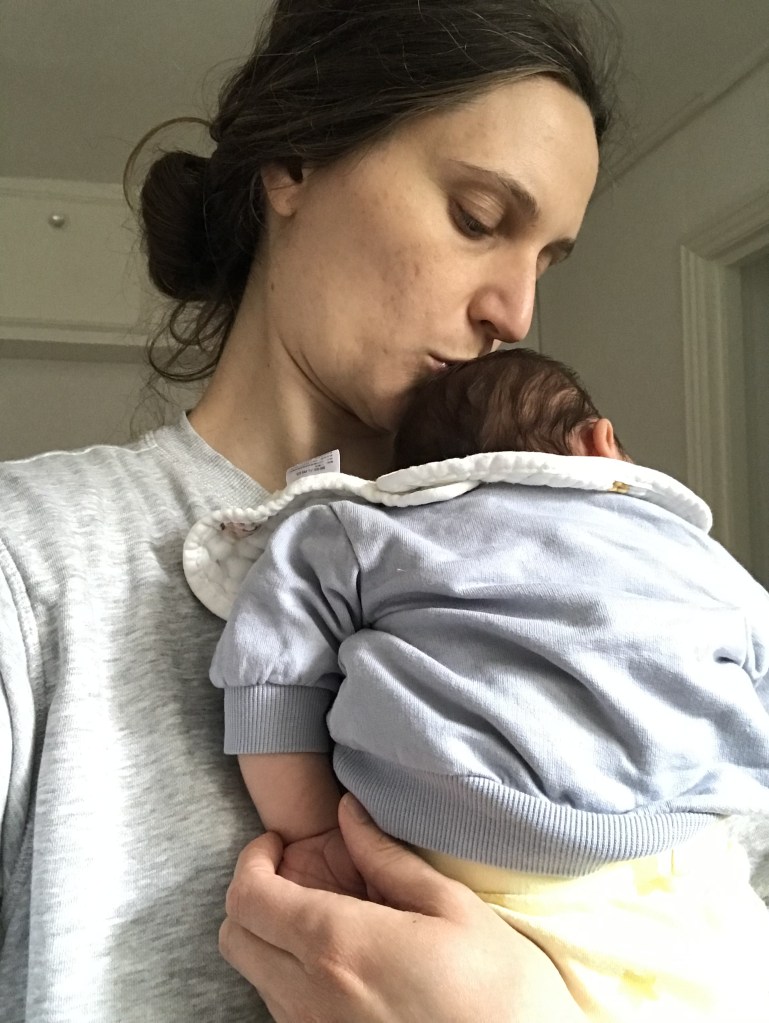
Upright positions are the key to help baby to soothe and start the falling asleep journey. “Frog hold” against the chest, with or without the sling is a good start.

Lots of massaging on the back, “clockwork” massaging on the tummy, gentle tapping on the bottom, bicycle movement of legs really helps. 

Be ready to change position! Remember, nothing lasts forever when comes to newborns life and everything can change by just changing the position and you might see them snoring while they were screaming with pain 2 seconds earlier. As the winds move inside your little one’s guts, they might need to move into a different position to help moving them along and out. So, if they are telling you that they became uncomfortable then do move them! “Airplane position” using one hand to support and massage the tummy is a good alternative. 

Be ready to walk and sing! Walking creates the movements for the digestion to get going and singing distracts the baby and helps them to cope. So, space for your fantasy and make up your lullabies  this will also relax you and boost your creative side. Lullabies work as mantra recitation: they abstract you from the outside and make you focus on the moment and time. They can represent an opportunity to observe your surroundings, describe, tell a story, in other words, it can be a little mindfulness experience for you too. You will find out is a lot more satisfying rather than searching for already made ones and your baby will like them a lot more, they will be unique! They will be your baby’s personal love and soothing songs. 

Once baby is asleep, enjoy that amazing body contact, sit down and just enjoy it for a little bit. No rush to put baby down, learn your unique baby deep sleep signals and only when you feel they are ready, then try lying them in different positions. 

Which position? The answer is, trust your instinct and your baby’s cues. For example: how did the baby fall asleep? Which side has they turn the head or rested the arm or legs and try to recreate that position as much as possible in the cot.

Assess your baby: is baby able to turn the head when chocking? Are they able to lift and turn the head when lying on the tummy? If so, it might actually be safe and soothing for them to sleep on the tummy for a little while, especially if you are awake.

The key is to OBSERVE!!!

Give your baby a second chance: even if they seemed to be in the deepest sleep ever, it might have been a false alarm and open their sparkling irresistible eyes as soon as their heels and back touch the matters and watch you with a questioning expression as they wanted to say – What are you exactly trying to do Mother???-  That doesn’t mean that they don’t like their little cocoon at all, making you think that you will have to keep them sleeping either on you or in your bed for the rest of their life. It might just mean that they are not ready just yet, they might need another little cuddle, staying nice and tight with tummy kept warm by your body and your reassurance breath reaching their forehead to reassure them and walk them to a nice sleep soon. So, the trick is, enjoy that amazing look of their eyes, take a nice deep breath, even if you tired and desperate to lie down, pick them up again, surround them with a reassuring and soft hug within your arms and start your walk again. Continue your lullabies creative work and don’t think about time, just enjoy it and think that soon they might fall in deep sleep, this time probably a real one and you’ll be ready to get one as deep and restorative as they are.