Holidays related stress: how to acknowledge and manage it through self-care practice.

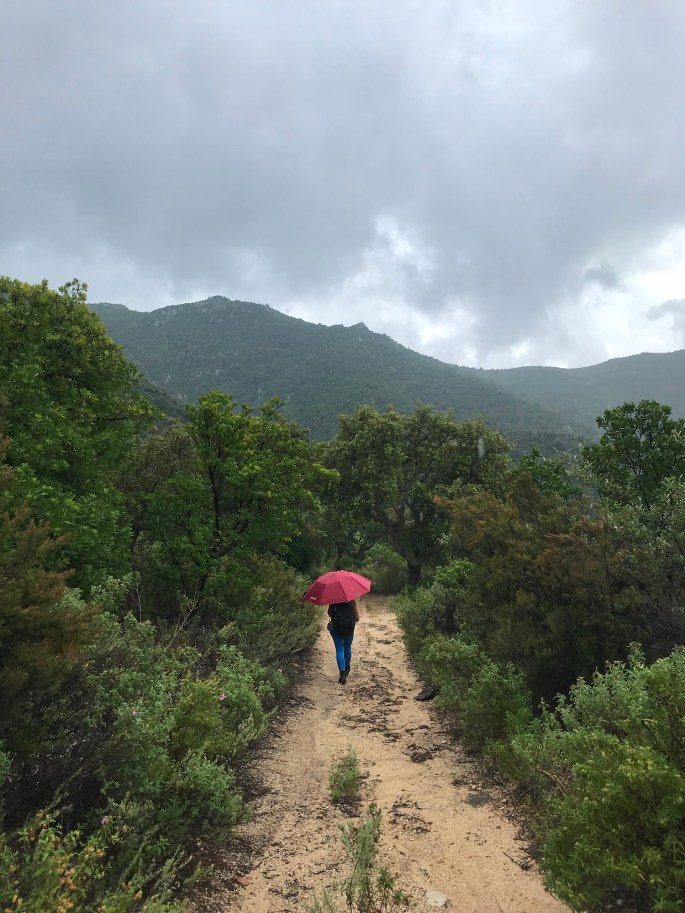
It’s September. It is well started now. Schools are back on. The wheel of work and life plans has restarted running. Lists of “things to do within September” are written on the fridge door. The old magnet chalk board is still doing its job. The rains are also back on. Not that they ever really stopped during this British summertime. However, they changed from the heavy storms, quickly blown away by vigorous ocean winds and followed by warming bright sun. Now, they are shifting to the thin drops, everlasting typical London rains which make you wonder whether there is still a sun behind the clouds.

During these rainy, wet, oh God WET, every day darker, but still warm evenings, we start regathering with our friends now back from holidays. We get cozy and in between one bite of pizza and the other, we share stories about French countryside adventures. We talk about camping storms misadventures, rainy beach days spent waiting for the rain to pass. We recount amusement park losses due to wee emergency and the expensive musical show lost forever.

It’s well known that stress and anxiety are some of the most frequent health conditions affecting people nowadays. Parents are also affected by these issues. The root of stress is often not within the holiday itself or the lack of capability to organize them in a way that they can be enjoyable and everything can flow smoothly. I don’t think there is a recipe for that, however, you might find lot of literature about how to plan the perfect holiday with children.

Holidays can represent many things for our life journey. Sometimes they can be an opportunity to confront our soft spots and vulnerabilities. There is so much time for thinking during holidays. Many people don’t want to think because this would open the Pandora vase and make it worse. That’s why many people choose to head to super busy holiday villages. These have lots of activities for children to keep them busy. Parents pray for an undisturbed lie under the sun at the sound of the ocean waves, fiction book in one hand, cold drink in the other. 

My point is that if holidays have been a stressful moment and going back to work felt a release, then is a good idea to allow yourself a slowdown this September. Leave only the essential plans on the chalkboard list. Leave only the ones that you think increase your positive productivity and remove the ones that can wait. Consider how much stress is affecting your life and consider talking about it to a therapist. An initial consultation might make you aware of how you are feeling and whether you may benefit from therapy or not. Don’t let yourself run until the next Christmas holiday because this might keep feeding you stress ball while you run through your busy life.  

Stress is about control.

When was the last time you felt the release from losing the control? For me, probably when I gave birth. Talking about holidays, I am one of those people that finds very difficult losing control. I struggle to let people decide for me. I find it hard to let someone lead me to a place or find the right restaurant or a cozy B&B without me supervising. Better yet, I prefer being the one making the ultimate decision. So, you anxious and stressed folk, have all my understanding. But what I learnt is that this requires very hard work. Holding on the control of everything it’s very tiring and it makes you develop that subtle emotional tiredness that it is very difficult to acknowledge and heal. It might be that overthinking before you fall asleep or as soon as you wake up, or that over worrying for everything comes up. It could translate in difficulty falling asleep. It could also lead to weight gain or belly fat accumulation. Digestion difficulties such as feeling bloated all the time may occur. Other stress-related symptoms, which vary from person to person, can also arise. Emotional tiredness really makes up our sympathetic and parasympathetic system and sometimes we feel so generally unwell. When it’s prolonged, we can get so much used to it that we might find even difficult to link it with a reason. So, if you are already going through a stressful moment in your life, probably organizing holiday might make it even worse, especially if they are charged with a lot of expectation to relive that stress. What I would suggest in that case is: slow down! Your body is giving you the amber flag that you might be too loaded so avoid also loading you with articulated holiday organization. Make it simple. 

Create the conditions to make the right choices.

Don’t force yourself to book if you’re not ready to do so, if doesn’t feel right, do it on another day. The right place to head to will feel so and there will always be one. As long as you make that decision in a moment where you feel relaxed, positive and inspired. 

Give yourself the chance to change plans.

Sometimes we get stuck in a plan that looked right when we made it but then things might have changed and it might not be anymore. So, don’t lock yourself in a cage of a plan which is no longer working. Sit on that chair, or stool or stair step, get a coffee or lit an incense or take a bath and wait for something better to come up. 

Remember self-care.

Ask yourself: when was the last time I had a hot bath with magnesium salts and those delightful citrus essential oils to recharge me. There is a huge range of self-care possibilities out there, some of them even not expensive at all, that you can access. Self-care doesn’t take lot of time and not even a lot of money, it just takes to give up something else to allow yourself those 10 minutes to sit, put on that Tibetan bowls playlist and breathe!

Exercise the “drop of the load”.

If you are aware to be one of those people that tent to put all the load on their backpack to release the others, first of all well done for reaching awareness of this. The next step might be practicing exercises that help unloading your-self. It is important sometimes in families to share the load, to delegate tasks and let someone else being in charge of some. This also apply for holidays. Feeling in charge of making sure that everything flows smoothly is very hard emotional work, try to remember yourself that you can’t be in control of what is going to happen and try to have fun even if the B&B that looked so promising turns out to be a disaster. In other words, dance under the storm instead of waiting for the storm to pass or, even worse, feeling guilty for having picked a storm day. It’s impressing how much we can load our-self. 

If you practice yoga, it’s a great idea to reserve yourself 30 minutes for a yoga Nidra, which is the rotation of the body awareness on the different parts of your body while keeping a relaxed steady breathing. Thirty minutes of a well practice yoga Nidra can be equitable to several hours of deep sleep. You might feel a lot rested and your mind flowing more smoothly and less restless after that. If you practice regularly, try refreshing yoga routines like the moon salutation in the evening before dinner time. As breathing exercise, Chandra pranayama is a calming technique you can try when you decide to reserve yourself 15 minutes to sit and breathe in front of the river flow, for example, or just on your carpet in front of the soothing light of a candle. 

We can’t control our children fun and happiness.

As much as we try, our children or our partner might not like what we organized, or we might not like what he chooses to do this time, making us feel that our so much precious and packed with expectation and wait holiday time was all wasted. This may lead to the sense of guilt spoiling our holiday or day out and lit up our anxiety. My advice is to try to give back the emotions to whom they belong to. It is okay whether our children get upset during our special day out, they surely have their own reasons to do so. Rather than thinking how to avoid it or prevent it, we can support them during their rough time, wait for the storm to go and then start again. 

Happy slow September everyone, look after your-self and enjoy every step of the way before the arrival of this coming fall. I leave you with this video of the Moon Salutation sequence from my beloved teacher.
 

Eating eggs during the first 1001 days of life: debunking myths and unveiling benefits

When I was pregnant with my Claudia, I was craving eggs all the time. I remember me rushing into the nearest Coop at the turning of 12 pm, I could not prolong my lunch later than that, to grab myself one of those ready-made Spanish tortillas and then swallowing most of it on my way back to the antenatal clinic, ignoring completely the serving portion recommendation of 1/4 portion per day energy, protein and fat intake on the label. And I remember me laughing a lot about my friend joke when I stopped at the little Waitrose along our car journey to the lake for one of my last pregnancy cold swimming days. – You basically have a hanging over person cravings! – she said, when I went back in the car carrying my eggs and cress sandwich and my sparkling water bottle. Yes, I did indeed! And I am learning how right I was following my selective hunger those days that was leading me to put eggs, eggs, gherkins (of course), and other eggs into my tummy. 

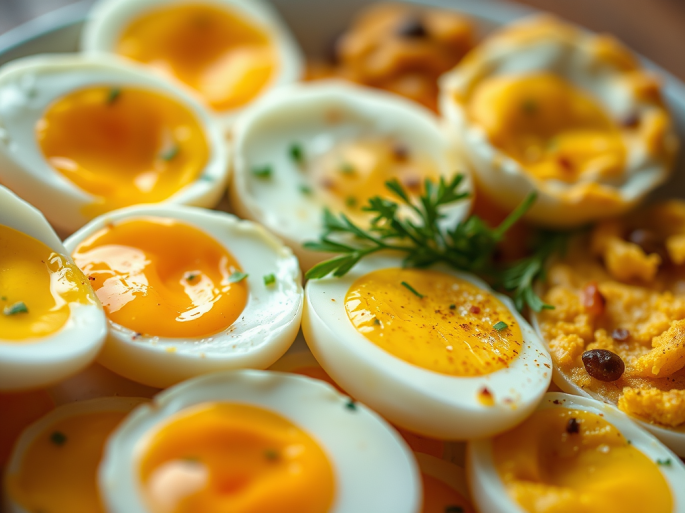
Eggs are one of those big controversial foods that generated a lot of conversation about eating them vs. not eating them during pregnancy and breastfeeding and about offering vs. not doing so to children weaning to solid food. And most of the time, this big “no-no” that women receive it’s nothing more than a heritage from their relatives and friend eating culture and traditions with little or none research based reason to justify that choice. That not very smart choice I would say.

I will never forget my neighbor’s toddler seated on the classic weaning chair with the large white plastic board at the front and the fluffy resin covered sit where he was trying to bring the reduced to crumbles egg yolk (the orange part, I can never remember which is which) to his watering mouth. – Why do you give just the orange bit? – I asked curious to his mom. I was only 5 or 6 years old myself but childcare and nursing children was already super fascinating for me. – Because the white it’s toxic for babies -. Obviously, my neighbor was already aware about the higher likelihood of the albumen (the white part) to cause allergy. But toxicity, no, that was not so evidence based at all. The rule “not more than 2 eggs per week” has often been mentioned during those lunch conversations between unties and grandmothers since when I have memory, and the reason was that more than that would be dangerous for the liver. How funny to find out that it is actually the opposite! in fact eggs contain choline which is an important protein that supports liver function and that the recommended amount, according to latest research, it is two per day during pregnancy and breastfeeding and one per day for infants aged 1 to 3 years.

Hunger-saver leftover eggs.

Raw or partially cooked eggs have been absolutely banned from pregnant people and babies because of the Salmonella infection risk and so Tiramisu’ famously excluded from the diet of all my Italian relatives and friends and not just them. Uncooked or unpasteurized eggs have been on the list of foods to avoid in pregnancy until these new guidelines came out and typically mentioned by midwives at the end of the long antenatal booking appointment lifestyle advice between the top ones, besides blue cheese and raw meat. But now, most recent research suggests that, as long as they are marked with the Red Lion stamp, which means that the hens have been vaccinated for Salmonella and grown respectfully of certain UK dictated standards, eating eggs it is safe, even when eaten raw or partially cooked. They are not just safe, but also a simple, affordable, carbon release friendly, packed with nutrients and super versatile food which can enhance milk composition, pregnancy wellness and child nervous, immune system and bones development from conception until the 2 years of age. 

yes, it is a very “green” source of protein, when the hens are treated respectfully (up to you to choose what kind of eggs you put in your trolley). in a small amount it is contained plenty of nutrients, it takes less carbon release to produce them compared to other sources of animal proteins and they are between those foods that keep the proteins intact, or most of them, even after cooking.

What about the scary allergy risk? The pieces of research collected within the very recent systematic review by Emma Derbyshire published on the British Journal of Midwifery, highlights that developing single food allergy for babies of breastfeeding mothers that consumed eggs during the first few days after birth it’s small and similar findings apply to children been offered eggs between 4 to 6 months. It is also reassuring to know, according to the article, that most of the food allergies developed at that age tent to resolve by scholar age, only rarely it lasts until adulthood and, even when persistent, they are not detrimental for the child growth and development.

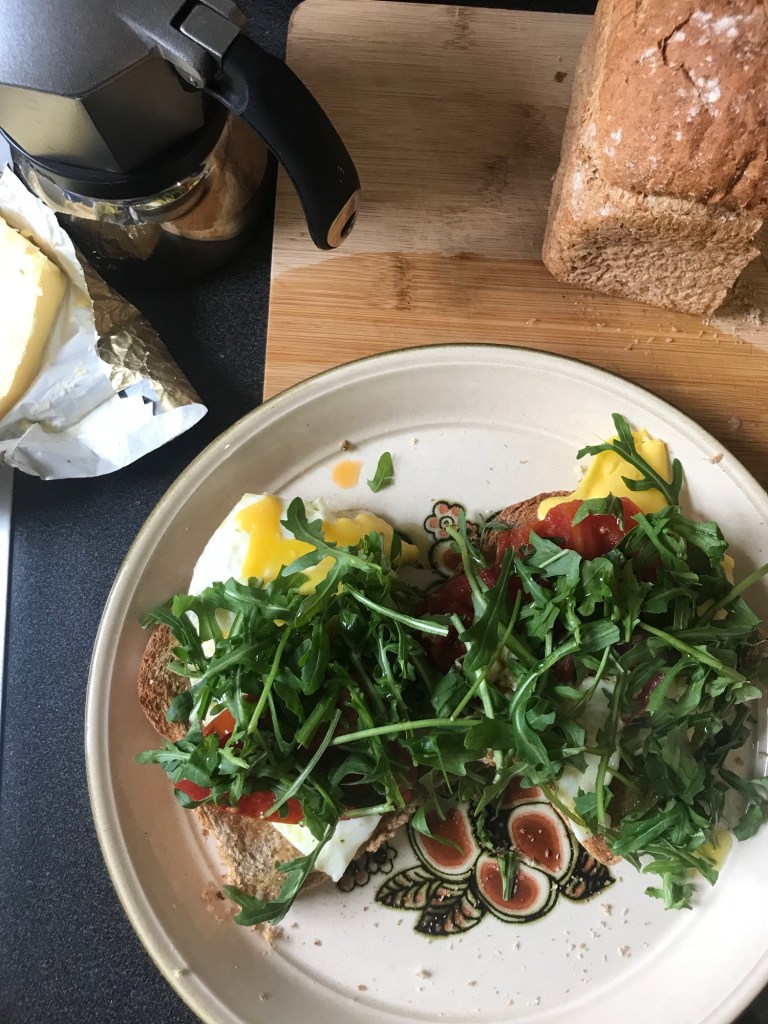
What is more dangerous, it is not eating them, particularly when instead of a healthy brunch made by poached eggs a bunch of greens and a slice of fragrant sourdough bread generously spread with a layer of vitamin D packed butter, you will call the breakfast done after having an ultra-processed plastic package unsealed chocolate muffin. According to E. Derbyshire’s article this is the real danger: a big 90% of women it’s not including in the diet most of the nutrients they should which are essential to sustain the pregnancy and the developing baby, preferring too often food that it is so processed that the amount of nutrients is extremely diluted to the point that they don’t really make a difference to the intake required during all childbearing stages.

So, what’s the deal with eggs’ so precious nutrients? Here is a list of some:

  • Vitamin D: essential for immune system and bone development 
  • Proteins: one egg will bring on board around the 28% of the daily protein recommended intake, essential for tissue growth 
  • An amazing amino acid (protein) called choline which is apparently super important to sustain a correct liver function and which is also one of the essential components that form neurons connections within the brain (central nervous system), muscles (peripheral nervous system) and organs (sympathetic and parasympathetic nervous system). Sounds like 2 eggs contain the 81% of the daily intake needed in pregnancy
  • Folates and vitamin B12, essential for the neural tube defects prevention

Just to list the key ones. Eggs also contain precious iodine, contributing to the normal growth of children and phosphorous, needed for bone growth and development. 

I hope this information might make the day to any pregnant and brunch fanatic egg lover and reassure, I hope, some anxious mom in the middle of a weaning child confusion (at least about eggs), and before returning to my mommy tasks I will give you my tips:

  • Always put those organic (biodynamic when possible) Red Lion marked eggs inside your shopping trolley, as soon as you run them out.
  • It’s amazing how many things you can do with eggs but please, go simple: you will find that having that couple of already boiled eggs in your fridge that you didn’t want to eat yesterday will save you from today’s breastfeeding hunger. 
  • Always, and I say, always put that bag of greens in your trolley. Doesn’t matter if it’s the already washed spinach and watercress salad or the fancy still covered in soil farm picked black kale, as long as you pick some. Greens match very well with eggs; they are super easy and quick to cook and they complete the range of nutrients that you need in pregnancy and breastfeeding and to prepare your baby’s first meals. They can be enhanced with a splash of vitamin C packed lemon juice (which will increase their iron and folates absorption as well), a dash of omega 3 packed EVO oil and a handful of seeds, for crunchiness and extra omega 3, so helpful when dealing with stress.
  • If you make a frittata, make it double! It’s amazing eaten cold the day after accompanied with a nice crunchy seasonal salad and some bread. Personally, I have a thing for it as it remembers me the typical day out lunch: “panino con frittata”, which was a must have during any school trip. 
5 minutes home made brunch 🙂