
Aromatherapy
Concept, origin and development
Aromatherapy is the science and art of blending essential oils and administering the blends via different absorption modality and techniques to benefit from the therapeutic properties of different parts of the plants and flowers on the mind and body system. Aromatherapy is classified within the group of Complementary and Alternative Medicine, and it is used by trained practitioners as the main holistic treatment or as an integrative treatment in several fields such as massage, maternity care, palliative care and several others. Within the last 4 decades aromatherapy became also largely used as a self-care treatment by non-trained population to aid relaxation, relief symptoms of stress and anxiety or simply as a pleasant habit.
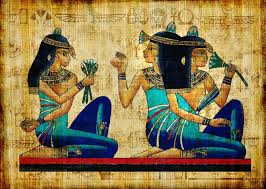
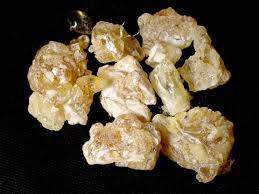
Aromatherapy deepens its origins back in ancient Egypt civilization when essential oils, especially the ones derived from resins like frankincense, were used mostly for spiritual, ritual and cosmetic purposes. With the expansion of the roman empire and the conquest of the Egypt by Giulio Cesar, the use and of essential oils arrived in Rome and its use started expanding on the rest of the empire. Ancient texts report that when Cleopatra arrived in Rome oils and perfumes where spread on the crowds as sign of submission of the Egyptian empire under the power of the Roman one and fusion of the two.
With the birth and development of the medical science in Greece aromatherapy it assumed for the first time the characters of systematic therapeutic science where the selection of the herbal remedies used was based on the assessment of the person and its specific health conditions to be treated.
The first official and comprehensive texts on the principles, use and application of aromatherapy treatments had to wait until the first half of the XX century when Tisserland wrote the first aromatherapy manual and, after its use and application aromatherapy saw a spike during the World War 2 during which essential oils where efficiently used to cure soldiers’ wounds. Gattefosse’’s fortunate discovery of the incredible wound healing properties of lavender pure essential oil on his burnt hand also contributed to consolidate and expand the knowledge of essential oil’s efficient healing properties.
Therapy objectives
Aromatherapy is based on the principle that specific chemical components of each plants exert a certain effect on certain organ or physiological function and that the extent, and the type of effect achieved depends on the type of plant and way of administration selected. Because of this, it has some similarities with pharmacology but very differently from pharmacology aromatherapy is not being researched enough to provide precise indications and guidelines on quantified dose-effect responses. In fact, the doses recommended on the essential oils guide of use leaflets and texts are only indicatory as based on pragmatical observations and not on randomized controlled studies. Aromatherapy has a very broad therapeutic spectrum that varies depending on the oils being used and the way they are administered. Some oils are known to have antidepressant, anxiolytic, mood regulator or even sedative effects such as lavender, camomile, mandarin, clary sage. Other have antibacterial and or antifungal effects such as lemon and tea tree. Others are active on the circulatory system providing fluid tissue drainage and vasoconstrictor effects such as grapefruit and black pepper. Some others are well known to reduce bronco spasm and having expectorant properties such as eucalyptus which is very useful to treat and prevent minor high respiratory tract inflammations and sinusitis. Most oils have transversal effects on more than one physiological system, for example lavender is a great anxiolytic and mood regulator while also being famous for its tissue regeneration, antibacterial and analgesic properties aiding healing of minor wounds and irritations.
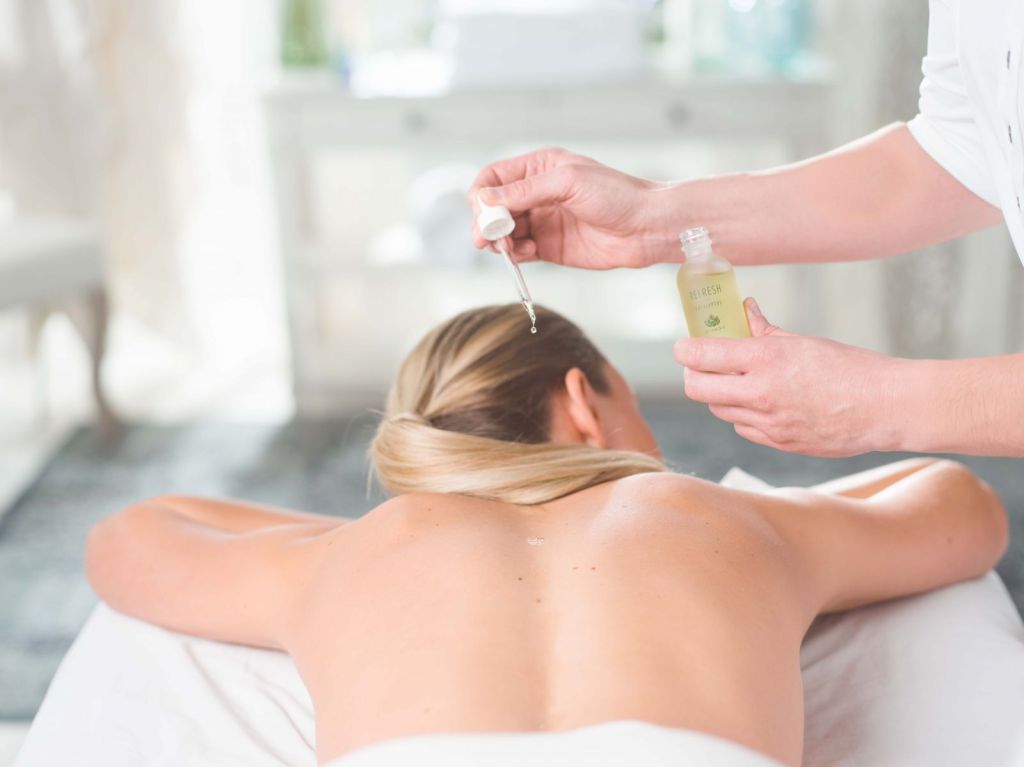
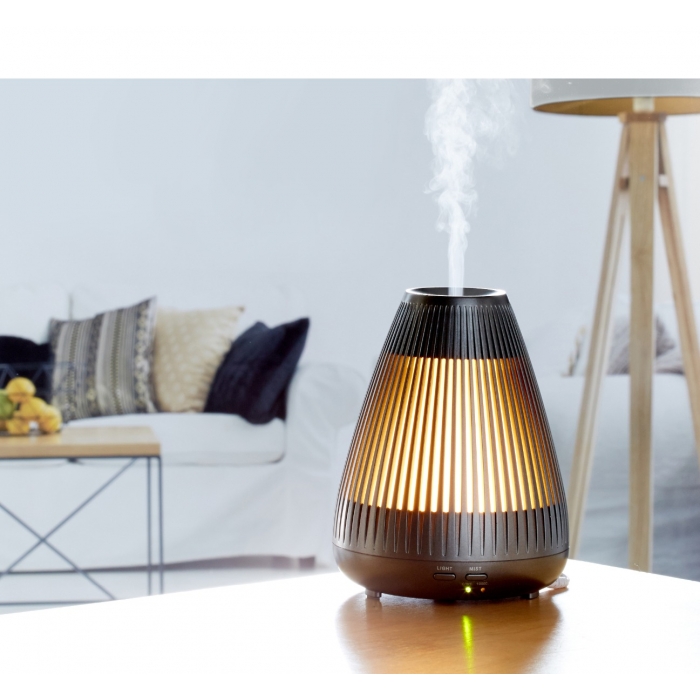
Aromatherapy in UK is mostly administered through massage using a bland of essential oils added to a carrier oil at a certain concentration depending on the therapeutic effect that the therapist wants to achieve to cover the individual needs of the client. Other common ways are through inhalation of the oils vaporized by electric appliances, added to bath, simply smelled when applied on clothes or pillows or burnt with tea light burners. However, this method is less recommended as the heath generated by the candle affects the properties of the oils by damaging the molecules contained in it.
Self-care with aromatherapy daily habits
During the past 10 years I have experienced on my skin how much aromatherapy can help to tackle daily strains and pains. It has been about trying, feeling, recording the benefit, doing it again. It’s been about embodying a way of living that included more and more essential oils within my skin care habits the more I knew them, studied and discovered their potentials. That is the point of the holistic and complementary therapies benefits: you don’t achieve an immediate effect, they work more subtly, on the root of the symptoms. they work through a pathway of little steps forward of self-awareness during which you slowly and steadily discover what works for you, what is the essential oil that can calm you down, the one that can uplift your joy to the roof, the one that can heal your sunburn, the one that can make your bath the most regenerating and recharging you have ever had.
Tips for aromatherapy self-care
- Take 3 minutes to sit and listen to your self: what do i need today? do i need to relax? do i need to re-charge? what do i need to heal on my mind or my body?
- Think about what makes you feel good: is that a bath? or may be is taking those ten minutes to give yourself a bedtime massage? or may be you want to complete your Friday house cleaning routine with a cleansing and refreshing essential oil infusion?
- Ask for an aromatherapy consultation and or treatment. if you’re not sure and you have no idea of essential oils properties and how to use it you can start with receiving a treatment and talk to the therapist. You should receive help to understand what essential oils you might benefit from, dosage and way of using them.
- Do your own research: there is a lot of information within essential oils leaflets and aromatherapy suppliers online about their properties and possible ways of using them to help addressing the most common health issues.
- Follow your instinct: choosing essential oils means connecting with your most ancient and powerful sense: the smell. If you create the conditions were you can connect with yourself and listen to your needs, your instinct will guide you to understand what you need. A therapist can help you doing this!
 giulia ciarapica, midwife